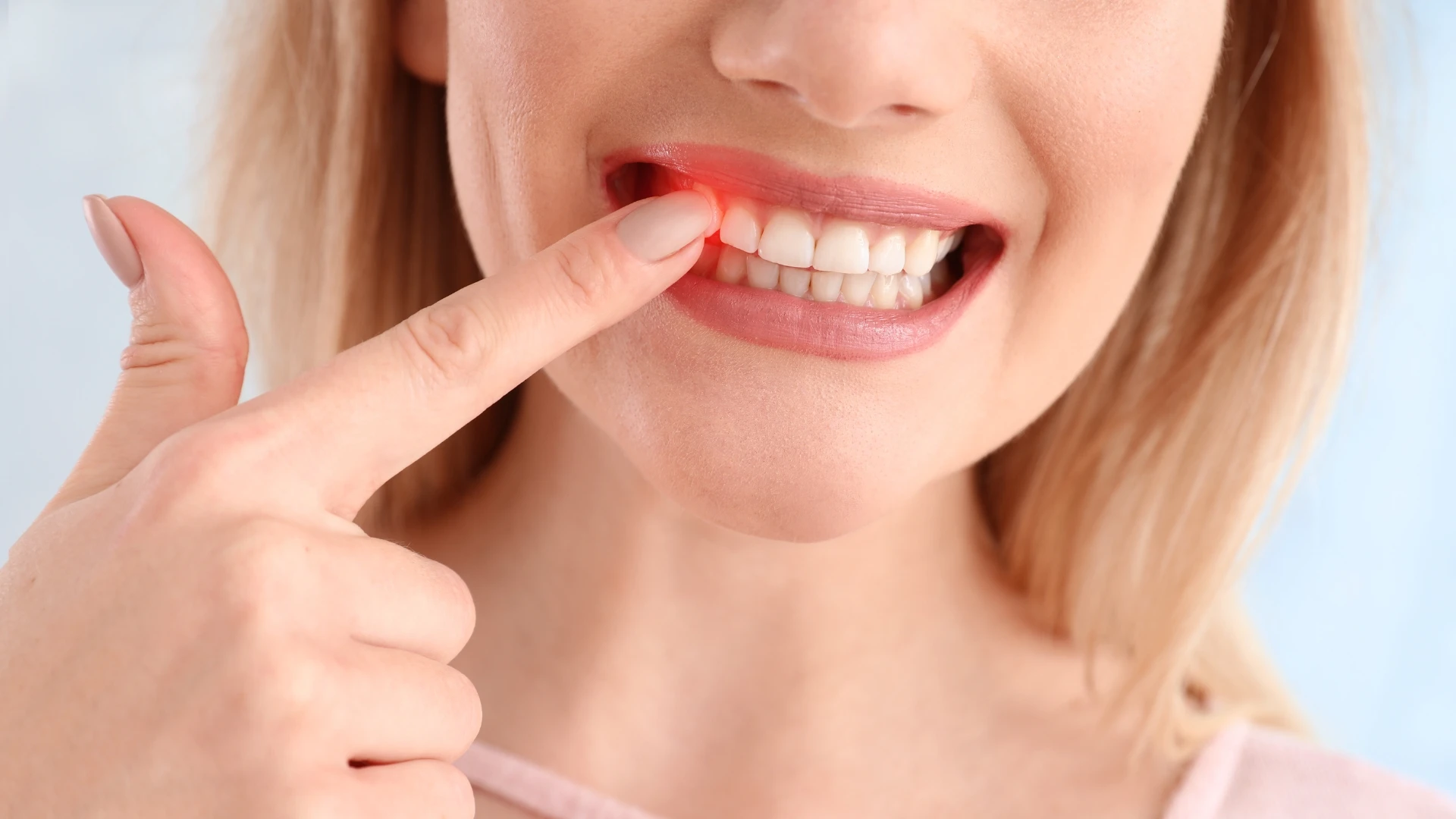
Oral health is essential for general well-being, and one of the important aspects of oral health is the condition of the dental pulp. The dental pulp, located inside the tooth, contains nerves, blood vessels and connective tissue and is responsible for the vitality and sensitivity of the tooth. When this delicate structure becomes inflamed, a condition called pulpitis can develop which, if not treated properly, can lead to serious complications. From this article, you will learn how to recognize the signs of pulpitis, what causes it and, most importantly, how to prevent and treat this condition to avoid long-term complications.
What is pulpita and how can you recognize it?
Pulpitis is inflammation of the dental pulp and can be of two types: reversible and irreversible. Reversible pulpitis is a milder form in which the inflammation is limited and the dental pulp has the ability to heal. In contrast, irreversible pulpitis involves more severe inflammation with permanent damage to the pulp.
Here are some symptoms that can help you recognize pulpitis
- persistent (sharp) or intermittent (throbbing) toothache;
- increased sensitivity to extreme temperatures (hot or cold);
- Discomfort when eating sweet or acidic foods;
- spontaneous pain, which may radiate to other areas of the face;
- feeling of pressure in the area of the affected tooth.
It’s important to look out for these signs and not ignore them, as untreated pulpitis can develop into more serious complications.
What are the main causes of pulpitis?
To prevent pulpitis, it is essential to understand what can cause it. The main causes of dental pulp inflammation include:
- Untreated or advanced tooth decay;
- dental trauma (bumps, fractures);
- repeated or invasive dental procedures;
- severe dental abrasions;
- bacterial infections that enter the tooth.
These factors can allow bacteria to reach the dental pulp, triggering an inflammatory response. That’s why it’s essential to have rigorous oral hygiene and treat any dental problem promptly, no matter how small it may seem.
How can you prevent pulpitis?
Prevention is always better than treatment. Here are some effective strategies to reduce your risk of developing pulpitis.
- Maintain impeccable oral hygiene. Brush your teeth twice a day, floss daily and rinse your mouth with antiseptic mouthwash.
- Schedule regular dental visits. Bi-annual check-ups can help detect cavities or other dental problems early.
- Treat tooth decay promptly. Don’t put off treating cavities, even if they seem minor.
- Protect your teeth during sports activities. Use a mouth guard if you play contact sports.
- Avoid harmful habits. Stop smoking and limit acidic or very sweet foods and drinks.
- Use a fluoride toothpaste. It helps strengthen tooth enamel, providing extra protection against tooth decay.
Pulpitis treatment: What are your options?
If you suspect you have pulpitis, you should see a dentist as soon as possible. Treatment will depend on the severity of the condition.
For the reversible pulpit
- Tooth decay removal and tooth restoration with a dental filling.
- Apply treatments to reduce sensitivity.
- Prescribing painkillers to manage pain.
For the irreversible pulpit
- Endodontic treatment (root canal treatment) is often necessary under the microscope.
- In severe cases, tooth extraction may be recommended.
At the EXCEDENT clinic, we offer high quality endodontic treatments using advanced technologies such as the VDW RECIPROC GOLD VDW system and the endodontic microscope. These tools allow us to perform precise and effective treatments, maximizing the chances of saving the affected tooth.
Potential complications of untreated pulpitis
Neglecting pulpitis can lead to serious complications that can affect not only your oral health, but also your general health. Here are some of the potential complications:
- dental abscess;
- apical periodontitis;
- osteomyelitis of the jaw;
- cellulite;
- tooth loss.
In extreme cases, the infection can spread and cause systemic complications such as sinusitis, meningitis or even sepsis. It is therefore important not to ignore signs of pulpitis and seek prompt medical help.
The importance of endodontic treatment in saving teeth
Endodontic treatment, also known as root canal treatment, is often the optimal solution to save a tooth affected by irreversible pulpitis. At EXCEDENT, we use modern techniques and equipment to ensure the success of this procedure:
- Thorough root canal cleaning under isolation.
- Mechanical preparation and shaping of channels.
- Biolase laser root canal sterilization.
- Sealing with permanent sealant and calibrated gutta-percha cones.
This treatment can extend the life of your tooth by many years, avoiding the need for an extraction and subsequent more expensive tooth replacement procedures.
Post-treatment tips for optimal recovery
After endodontic treatment, it is important to follow a few recommendations to ensure proper healing and prevent complications.
- Avoid chewing hard foods with the treated tooth for the first few days after the procedure.
- Maintain rigorous oral hygiene by gently brushing the treated area.
- Take the medicines prescribed by your dentist as directed.
- Avoid smoking and drinking alcohol during recovery.
- Schedule check-ups as recommended by your doctor.
Pulpitis is a dental condition that, if ignored, can lead to serious complications. But with proper care and prompt treatment, you can avoid many of these problems. Maintaining excellent oral hygiene, regular visits to the dentist and addressing any dental problems immediately are essential to preventing pulpitis.
At EXCEDENT, we are dedicated to providing you with the best endodontic treatments, using state-of-the-art technology and specialized expertise. Don’t let toothaches affect your quality of life – schedule a consultation today and take the first step toward optimal oral health.
Oral health is an important part of your overall health. Invest in it, and you’ll reap the long-term benefits of a healthy, bright smile!
Schedule a consultation now! Contact the EXCEDENT team: 031 130 14 10.


