The difference between conventional treatment and digitally planned treatment
When choosing a dental clinic, most patients focus on the dentist’s experience and the treatment they need. These factors are essential, but there is another factor that has a decisive influence on the final result: the digital technology used for diagnosis, planning, and treatment.
In recent years, dentistry has evolved dramatically. Whereas in the past decisions were based primarily on clinical examination and traditional impressions, today digital dentistry offers a level of precision and predictability that was impossible to achieve just a few years ago.
For the patient, this means treatments that are more comfortable, faster, and better tailored to their actual needs.
What is digital dentistry?
Digital dentistry involves the use of modern technologies for the diagnosis, planning, and delivery of dental treatments.
Using digital equipment, the doctor can analyze:
- dental structures;
- the position and contact between the teeth;
- occlusion (bite);
- movements of the jaw;
- the relationship between functionality and aesthetics.
This information makes it possible to develop a personalized treatment plan before the actual procedures begin.
Intraoral scanning: the modern alternative to traditional impressions
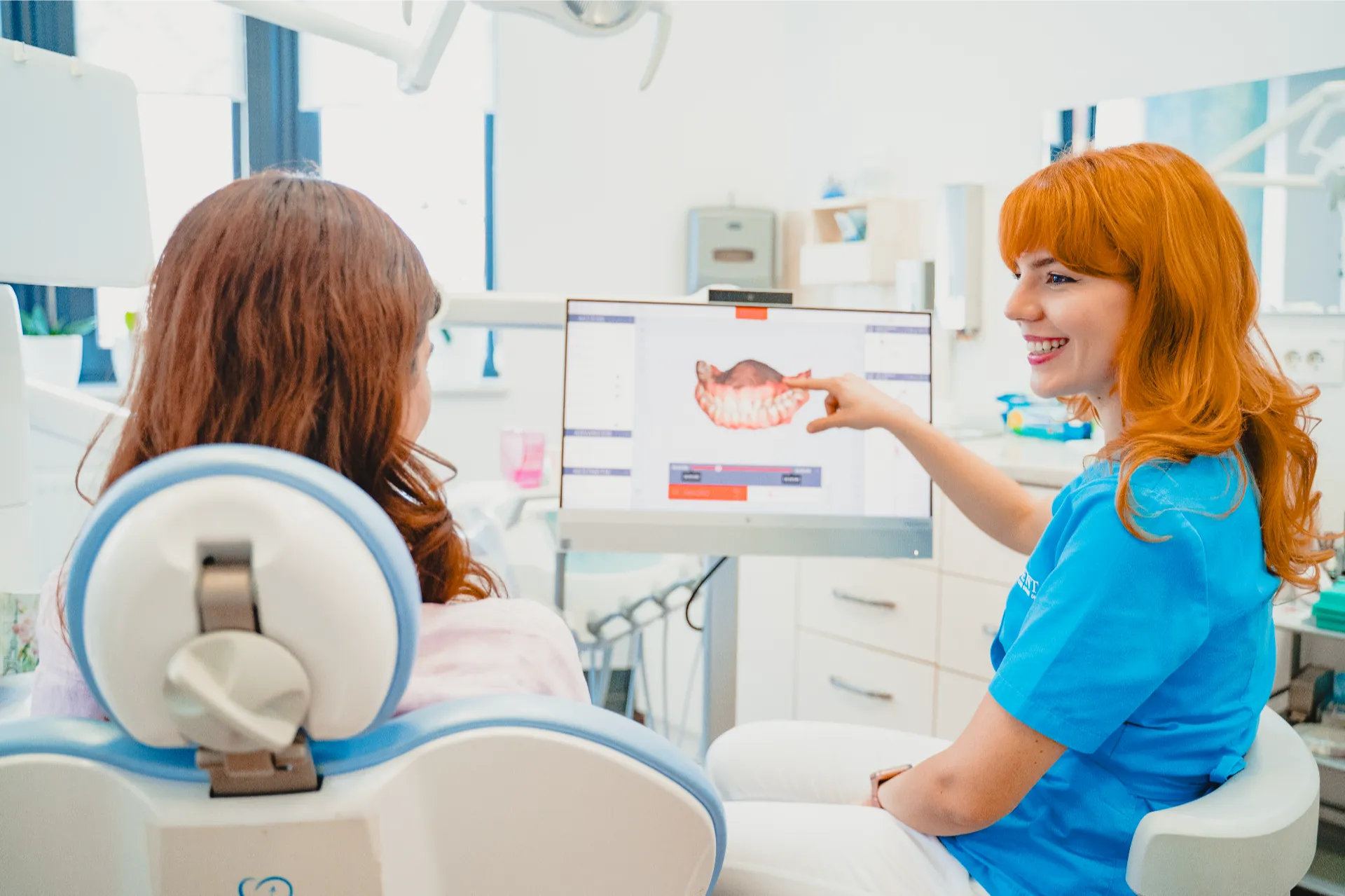
One of the most significant innovations in modern dentistry is digital intraoral scanning.
Instead of traditional impressions, the intraoral scanner creates an extremely precise 3D image of the oral cavity.
The Benefits of Intraoral Scanning
- greater comfort for the patient;
- eliminating the unpleasant sensation caused by traditional impression materials;
- high precision;
- better fit of crowns and veneers;
- reducing the number of subsequent adjustments.
This technology is frequently used in prosthetic, orthodontic, and implant treatments.
Digital occlusion analysis with Modjaw 4D
Another essential component of digital dentistry is the functional analysis of the bite.
At the EXCEDENT Clinic, Modjaw 4D technology enables real-time recording and analysis of jaw movements.
What can Modjaw analyze?
- the way the patient chews;
- opening and closing movements;
- dental contacts;
- the relationship between the teeth and the temporomandibular joint.
This information is extremely valuable in:
- dental implant treatments;
- dental crowns and bridges;
- complex dental restorations;
- extensive prosthetic treatments.
Through digital planning of the masticatory function, dental restorations can be better tailored to each patient’s specific needs.
How does the Biolase dental laser contribute to patient comfort?
Digital technology is not limited to diagnosis and planning.
In modern dentistry, dental lasers are used for numerous surgical and periodontal procedures.
At EXCEDENT, we use the Biolase system, one of the most advanced laser technologies currently available.
The Benefits of Dental Laser Treatments
- minimally invasive procedures;
- minimal discomfort;
- faster healing;
- reduced bleeding;
- greater precision on tissues;
- a more comfortable recovery.
For many patients, the treatment experience is significantly more pleasant than with traditional methods.
Digital Technology in Modern Implantology
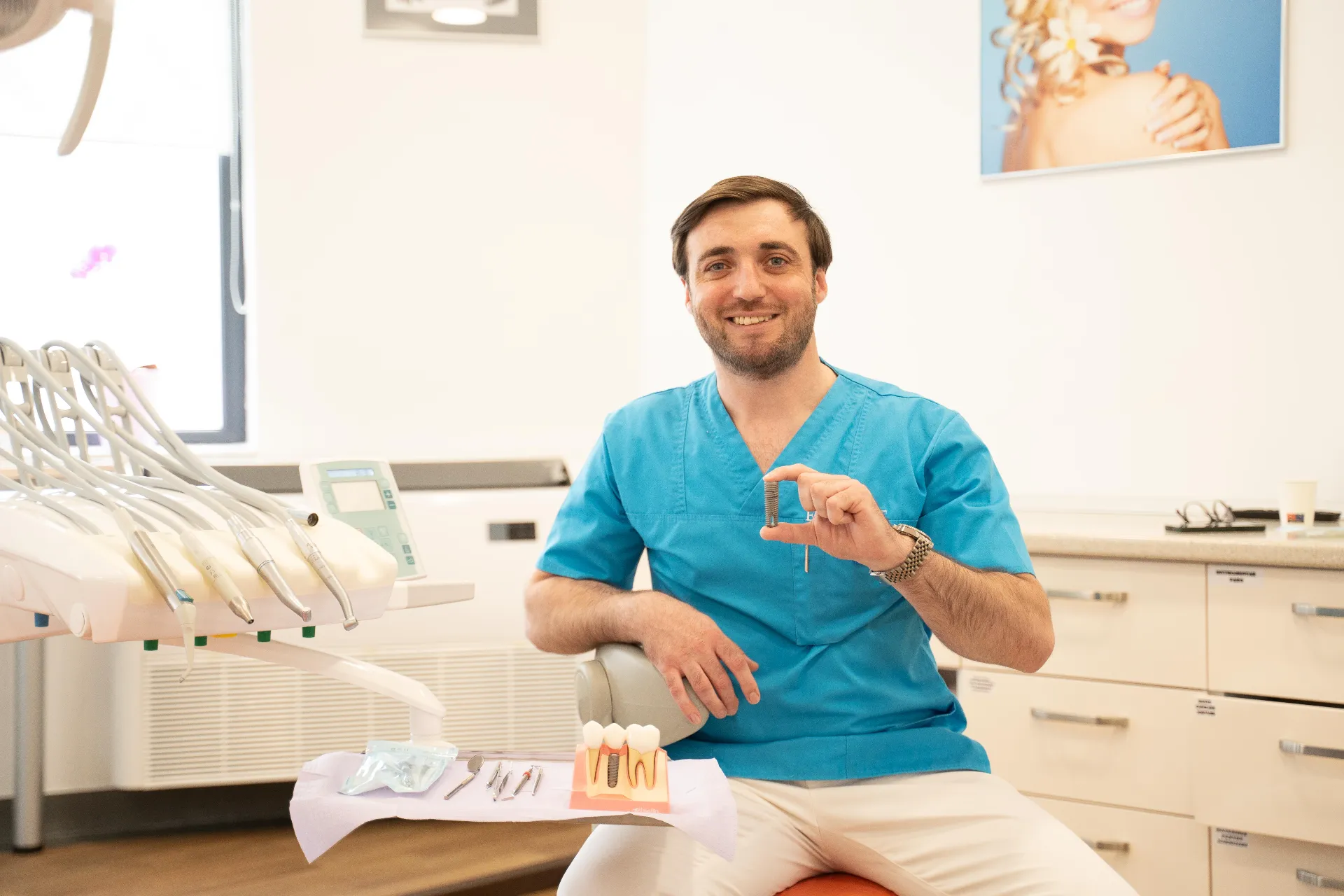
Dental implantology is one of the fields that has benefited most from advances in digital technology.
Using imaging tests and specialized software, the dentist can simulate the implant’s position before the procedure.
The Benefits of Digital Implant Planning
- accurate assessment of bone volume;
- identifying important anatomical structures;
- selecting the optimal implant position;
- better functional outcomes;
- more predictable aesthetic results.
The patient has a better understanding of the stages of treatment and benefits from a higher level of safety.
Digital technology does not replace the doctor
Even though modern equipment provides extremely valuable information, the success of treatment still depends on the experience and expertise of the medical team.
Digital technology is a tool that helps doctors make more accurate decisions and tailor treatment to each patient.
The combination of clinical experience and digital technology enables predictable and long-lasting results.
Why choose a clinic that uses digital dentistry?
A clinic equipped with modern technology can offer:
- a more accurate diagnosis;
- predictable planning;
- increased comfort;
- personalized treatments;
- better aesthetic and functional results;
- long-term digital monitoring.
For the patient, these benefits translate into greater peace of mind and confidence in the chosen treatment.
Schedule a comprehensive digital assessment
At EXCEDENT Clinic, digital technology is integrated into every stage of treatment. We use intraoral scanning, Modjaw 4D digital analysis, state-of-the-art imaging, and Biolase lasers to provide precise, comfortable, and predictable treatments.
If you’re looking for a personalized treatment plan based on the latest technologies, we invite you to schedule a comprehensive consultation.
Dr. Mihaela Măgureanu
Senior Dentist
EXCEDENT Clinic
Frequently Asked Questions About Digital Dentistry
Get clear answers to the most frequently asked questions about digital dentistry.
What is digital dentistry?
Digital dentistry involves the use of modern technologies to diagnose, plan, and perform dental treatments with a high degree of precision.
What are the benefits of intraoral scanning?
Intraoral scanning offers greater comfort, high precision, and eliminates the need for uncomfortable traditional impressions.
What is Modjaw 4D?
Modjaw 4D is a technology that analyzes jaw movements in real time and helps with the precise planning of complex dental treatments.
Is dental laser treatment more comfortable than traditional methods?
Yes. Dental lasers reduce discomfort, bleeding, and recovery time in many dental procedures.
Why is digital planning important in implantology?
Digital planning allows for the simulation of the implant’s position prior to surgery and contributes to more precise, safer, and more predictable results.